

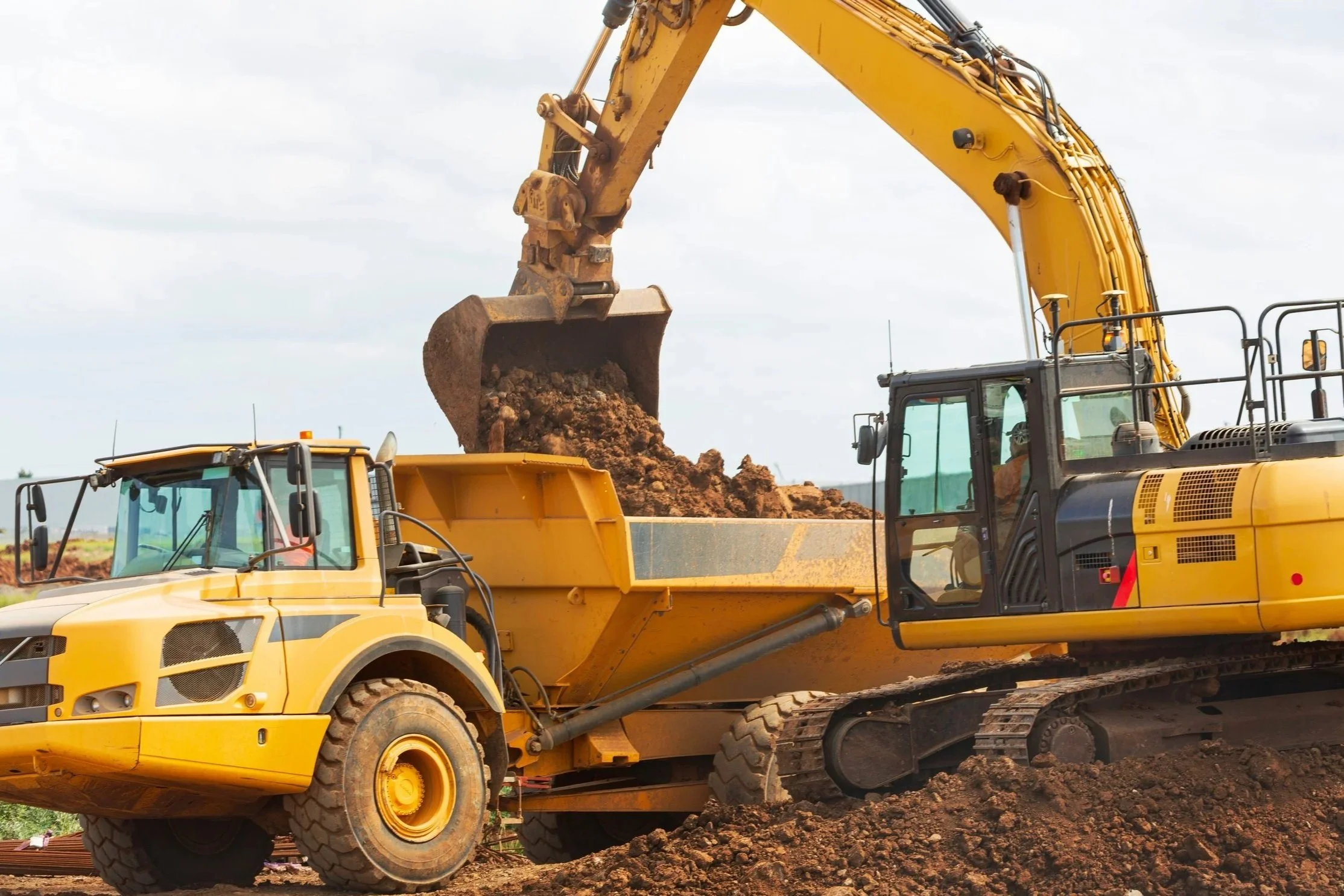
INDUSTRY — HEAVY EQUIPMENT
Heavy equipment manufacturing runs on complexity. So does the maintenance behind it.
MMS supports heavy equipment manufacturers with the maintenance discipline, engineering capability, and reliability programs their complex operations demand. From CNC machining centers to robotic welding cells to massive gearbox assembly, MMS brings the workforce and reliability obsession that heavy equipment manufacturing runs on.
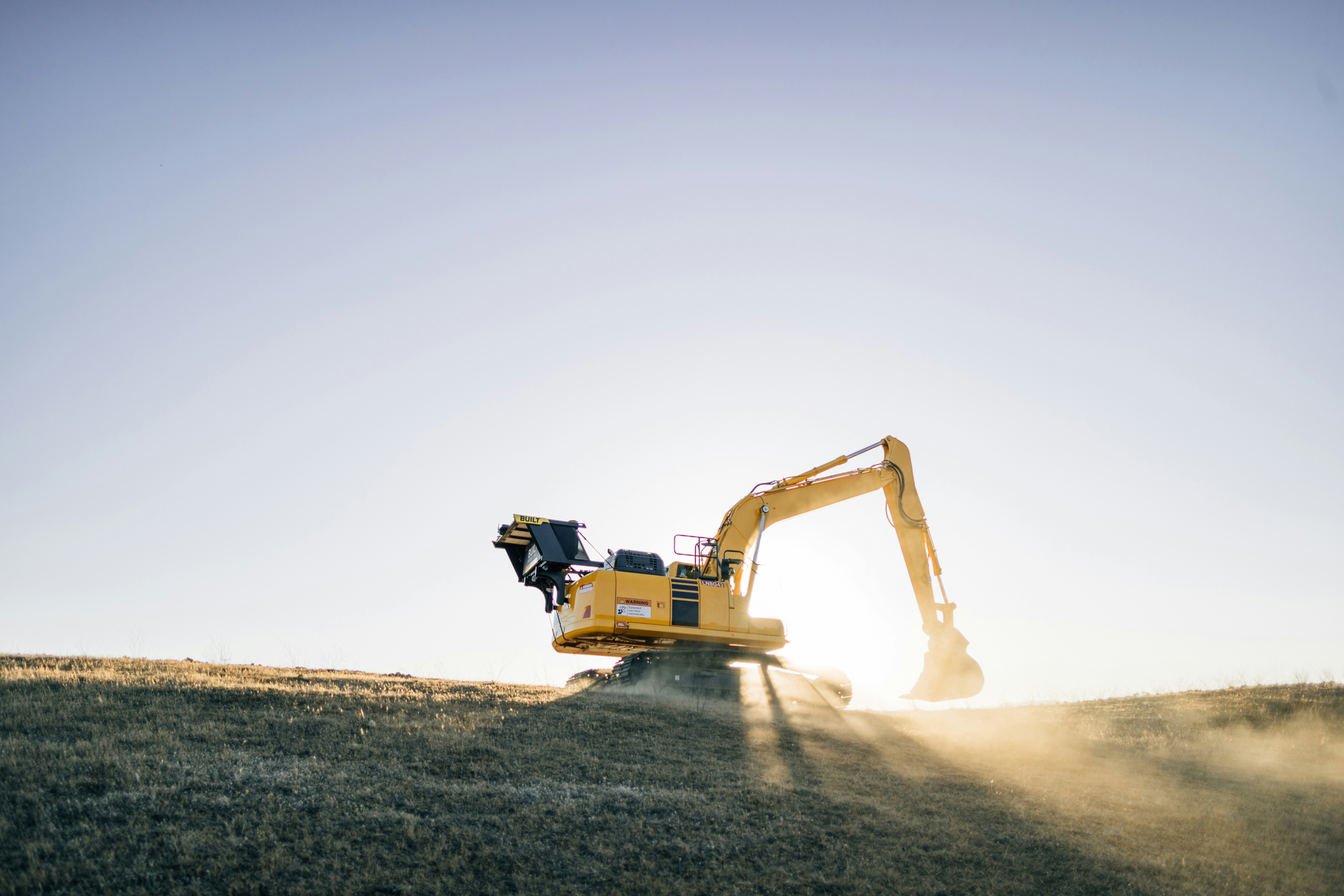
THE INDUSTRY REALITY
A complex, high-value, low-margin-for-error world.
Heavy equipment manufacturing is one of the most operationally complex sectors in industrial production. CNC machining centers, robotic welding cells, paint lines, massive gearboxes, and hydraulic assembly — every plant is a portfolio of high-value, high-complexity assets.
The cost of unplanned downtime isn't measured in lost units. It's measured in delayed dealer commitments, parked inventory, and customer lead times pushed back by weeks. When a gearbox cell fails, the whole campaign downstream stops.
MMS brings the workforce, engineering, and reliability discipline that heavy equipment manufacturers need to protect throughput across the entire campaign.
SERVICES WE DEPLOY IN HEAVY EQUIPMENT
Four services, deployed daily in heavy equipment facilities.
Every heavy equipment customer is different, but the maintenance challenges are familiar. Here's the service mix MMS deploys most often in heavy equipment operations.
Industrial Maintenance
Managed maintenance programs sized for the multi-cell complexity heavy equipment plants run on — machining, welding, assembly, paint.
Explore →Engineering & Controls
PLC, HMI, and robotics work for welding cells, machining centers, and assembly automation across the controls platforms heavy equipment runs on.
Explore →Reliability & Predictive
Predictive maintenance on high-value gearboxes, hydraulics, and motors — where every catch translates directly to avoided campaign disruption.
Explore →Machine-Tool Emergency Repairs
Rapid field response for CNC machining centers, robotic cells, and precision equipment failures in heavy equipment plants.
Explore →COMMON QUESTIONS — Heavy Equipment
Maintenance questions heavy equipment buyers ask.
-
Heavy equipment manufacturing combines CNC machining centers, robotic welding cells, paint lines, massive gearbox and hydraulic assembly, and complex campaign-driven production flows. MMS structures its operating model around managing this complexity — multi-cell coverage, skilled multi-craft technicians, controls engineering, and reliability discipline tuned to high-value asset portfolios.
-
Heavy equipment plants typically run best on Managed Maintenance — a fully managed program covering the multi-cell, multi-asset complexity these facilities run on. Workforce model layers in for surge demand and capital launches. Project Support engagements cover specific campaigns, retrofits, and shutdowns.
-
Yes. Gearbox and hydraulic systems are core to heavy equipment manufacturing, and MMS deploys reliability programs (vibration analysis, oil analysis, machine health monitoring) tuned specifically to these high-value assets. Machine-Tool Emergency Repairs covers CNC and machining center failures with rapid field response.
-
Yes. MMS deploys multi-shift maintenance coverage matched to production schedule — second-shift staffing, on-call response for critical assets, predictive monitoring during shift transitions, and structured handoffs that prevent missed work order continuity. Multi-shift coverage is standard for heavy equipment Managed Maintenance engagements.
Wherever your operation is right now,
there's a road to reliability.
Schedule a Maintenance Program Review
For facilities evaluating contract maintenance.
Get Emergency Field Support
For facilities with an active equipment issue.
Request a Reliability Assessment
For facilities ready to build predictive programs.
Talk to a Service Partnerships Leader
For capital projects, outages, or staffing scale.