
Training & Development
Lubrication that protects asset reliability.
RMIC-accredited reliability training. Predictive maintenance technology certification. Custom on-site curriculum. Leadership development. The internal pipeline that promotes from within depends on the training program behind it.
WHAT'S INCLUDED
What MMS owns in a lubrication program.
From accredited certification through hands-on technology training and leadership development — MMS builds the credentialed internal pipeline that retention and reliability both depend on.
RMIC-Accredited Certification
Reliability and Maintainability Implementation Certification — an industry-recognized credential through SMRP. Structured cohorts, validated outcomes, recognized across the maintenance and reliability profession.
Custom On-Site Training
Curriculum delivered at your facility, on your equipment, in your operating environment. Customization layered into standard programs so technicians apply what they learned on day one back on the floor.
Predictive Technology Training
Vibration analysis Category I–IV, infrared thermography Levels I–III, oil analysis MLA/MLT, ultrasonic inspection. Hands-on training on the technologies that drive predictive maintenance programs.
Leadership & Operations Development
Maintenance supervisor pathway, planning and scheduling certification, reliability management training. The leadership track that turns experienced technicians into the next generation of maintenance leaders.
WHY MANUFACTURERS STAY WITH MMS
Built for industrial reality.
Three things that show up on the floor, in the data, and on the P&L.
Operator-Led
MMS is built and led by people who have walked the floor — military, manufacturing, engineering, and heavy industrial operators. The leadership making decisions about your program has lived your problems. That credibility shows up in scopes that are realistic, deliverables that work on the floor, and execution that respects production constraints.
Employee-Owned
MMS is employee-owned. Thirty percent of the company is held by our workforce, which means every technician, planner, and engineer on your site has direct stake in the outcome. Ownership shows up in safety discipline, in PM completion rates, and in how problems get escalated.
Operating Model
Every site MMS manages follows the same operating rhythm — daily production alignment meetings, weekly performance reporting, monthly reliability reviews, quarterly business reviews. Maintenance work is visible, measurable, and accountable. Not a black box. Not a labor invoice.
COMPARE PROGRAMS
Pick the program that fits your operation.
Managed Maintenance
A fully managed program where MMS owns the maintenance scope end to end — workforce, leadership, planning, execution, reporting, and reliability improvement.
Facilities that want a single accountable partner and predictable uptime as a contract outcome.
A.M.P - Technical Workforce
MMS provides skilled multi-craft technicians, electricians, and mechanics — you retain maintenance strategy and program ownership.
Operations that want capacity without overhead, but keep their own maintenance leadership in place.
Project Support
Skilled crews and project oversight deployed for capital projects, outages, and turnarounds.
Operations that need scale and craft for a defined window without expanding internal headcount.
| What's included | Managed Maintenance | Technical Workforce | Project Support |
|---|---|---|---|
| Multi-craft technicians | ✓ | ✓ | ✓ |
| Safety discipline | ✓ | ✓ | ✓ |
| Recruiting & retention | ✓ | ✓ | — |
| Technical training | ✓ | ✓ | — |
| Planning & scheduling | ✓ | ✓ | — |
| Technical leadership | ✓ | ✓ | — |
| Maintenance ownership | ✓ | — | — |
| Operating model rhythm | ✓ | — | — |
| Machine health monitoring | ✓ | — | — |
| CMMS integration | ✓ | — | — |
| MRO asset management | ✓ | — | — |
HOW WE DELIVER
Built on the floor — not in a classroom.
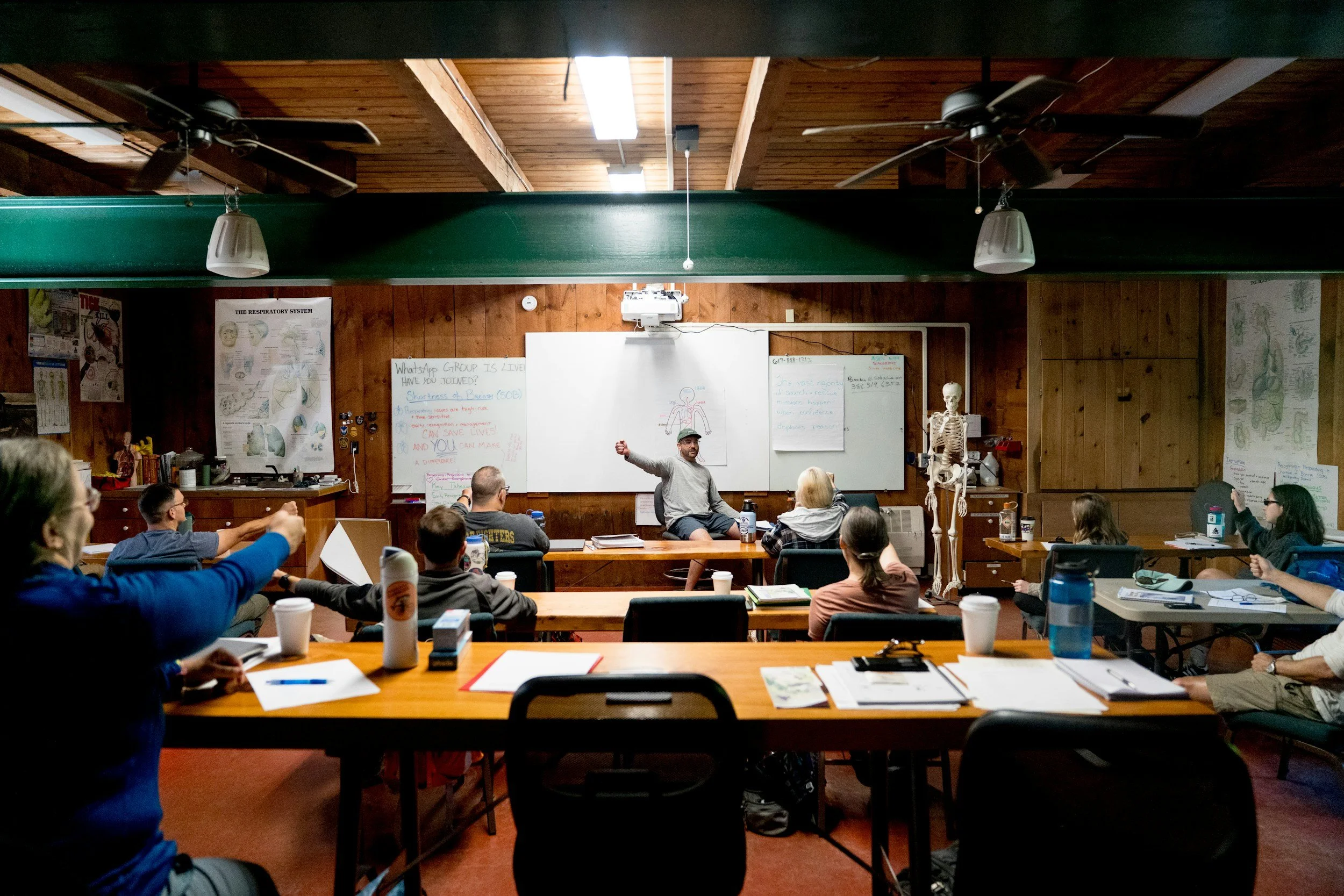
Most maintenance training fails by treating skills as content. Operator-trained instructors. Hands-on application on real equipment. Curriculum customized to the customer's actual environment. Cohort structure with peer accountability and supervisor visibility. That's the structure behind training that actually shows up in performance — not just attendance records.
RMIC accreditation gives the program external validation through SMRP. Vendor-recognized certifications give individual technicians portable credentials. Customer-specific credentials tie progression to internal job pathways. Three layers, all reinforcing the same outcome: technicians who think like reliability professionals and a workforce that promotes from within.
The team you build internally is the team that stays. Training isn't a line item — it's the difference between a plant that retains and one that recruits forever.
INDUSTRIES WE SUPPORT
Industries where internal pipelines decide the future.
Plants where skilled trades drive uptime, where credentialed maintenance is a hiring requirement, and where the cost of training is paid back within the first promotion cycle.


COMMON QUESTIONS
Training & Development — questions buyers ask.
-
MMS is an RMIC-accredited training provider — Reliability and Maintainability Implementation Certification, an industry-recognized credential through the Society for Maintenance & Reliability Professionals (SMRP). Beyond RMIC, we deliver vendor-specific technology certifications (vibration analysis Category I–IV, IR thermography Levels I–III, oil analysis MLA/MLT) and customer-internal credentials tied to job progression.
-
Most engagements are delivered on-site at the customer facility — using the actual equipment, the actual control systems, and the actual production environment your technicians work in every day. Classroom segments can be supplemented at MMS facilities for groups that benefit from cross-site cohort learning.
-
Yes. Standard MMS training programs cover core reliability and predictive technology disciplines. Curriculum customization layers in your specific equipment makes and models, your CMMS, your safety protocols, and your operating standards — so technicians finish training ready to apply what they learned on day one back on the floor.
-
Engagement length depends on the credential and the group. RMIC programs typically run 6–12 months with structured cohorts. Technology certifications run 1–2 weeks per level. Custom programs are scoped to the customer's progression timeline. Most ongoing customers run year-over-year training cycles tied to internal promotion and reliability program maturity.
-
Both. Technical training is delivered to hourly maintenance technicians, electricians, mechanics, and predictive technology specialists. Leadership development is delivered to maintenance supervisors, planning and scheduling leads, and reliability managers. Most facilities run both tracks in parallel — the internal pipeline that promotes from within depends on it.
Wherever your operation is right now,
there's a road to reliability.
Schedule a Maintenance Program Review
For companies evaluating contract maintenance.
Get Emergency Field Support
For companies with an active equipment issue.
Request a Reliability Assessment
For companies ready to build predictive programs.
Talk to a Service Partnerships Leader
For capital projects, outages, or staffing scale.