
INDUSTRIAL MAINTENANCE
Industrial maintenance, owned end to end.
MMS operates and manages full-service industrial maintenance programs for companies that need predictable uptime, disciplined execution, and a partner who is accountable for the outcome — not just the uptime. We support companies nationwide with the operating discipline, safety performance, and technical depth modern industrial operations demand.
WHAT'S INCLUDED
WHAT MMS OWNS IN A MANAGED PROGRAM.
MMS Managed Maintenance covers the full operational scope of industrial maintenance — from preventive execution through reliability improvement — under a single program built around your production goals.
Preventive Maintenance Execution
Structured PM programs delivered on schedule, tracked in CMMS, and tied to measurable compliance metrics.
Corrective Maintenance Support
Multi-craft technicians ready to respond to equipment failures with the right tools, parts, and process discipline.
Work Order Management
Planning, scheduling, and execution discipline that turns reactive firefighting into predictable operations.
Spare Parts Coordination
Critical spares identification, vendor coordination, and inventory discipline that protect uptime.
Asset Care & Reliability Improvement
Ongoing reliability engineering input — root cause analysis, condition monitoring, and PM optimization — built into the program.
WHY MANUFACTURERS STAY WITH MMS
Built for industrial reality.
Three things that show up on the floor, in the data, and on the P&L.
Operator-Led
MMS is built and led by people who have walked the floor — military, manufacturing, engineering, and heavy industrial operators. The leadership making decisions about your program has lived your problems. That credibility shows up in scopes that are realistic, deliverables that work on the floor, and execution that respects production constraints.
Employee-Owned
MMS is employee-owned. Thirty percent of the company is held by our workforce, which means every technician, planner, and engineer on your site has direct stake in the outcome. Ownership shows up in safety discipline, in PM completion rates, and in how problems get escalated.
Operating Model
Every site MMS manages follows the same operating rhythm — weekly performance reporting, regular reliability reviews, quarterly business reviews. Maintenance work is visible, measurable, and accountable. Not a black box. Not a labor invoice.
COMPARE PROGRAMS
PICK THE PROGRAM THAT FITS YOUR OPERATION
Managed Maintenance
A fully managed program where MMS owns the maintenance scope end to end — workforce, leadership, planning, execution, reporting, and reliability improvement.
Companies that want a single accountable partner and predictable uptime as a contract outcome.
A.M.P - Technical Workforce
MMS provides skilled multi-craft technicians, electricians, and mechanics — you retain maintenance strategy and program ownership.
Operations that want capacity without overhead, but keep their own maintenance leadership in place.
Project Support
Skilled crews and project oversight deployed for capital projects, outages, and turnarounds.
Operations that need scale and craft for a defined window without expanding internal headcount.
| What's included | Managed Maintenance | Technical Workforce | Project Support |
|---|---|---|---|
| Multi-craft technicians | ✓ | ✓ | ✓ |
| Safety discipline | ✓ | ✓ | ✓ |
| Recruiting & retention | ✓ | ✓ | — |
| Technical training | ✓ | ✓ | — |
| Planning & scheduling | ✓ | ✓ | — |
| Technical leadership | ✓ | ✓ | — |
| Maintenance ownership | ✓ | — | — |
| Operating model rhythm | ✓ | — | — |
| Machine health monitoring | ✓ | — | — |
| CMMS integration | ✓ | — | — |
| MRO asset management | ✓ | — | — |
HOW WE DELIVER
THE OPERATING RHYTHM.
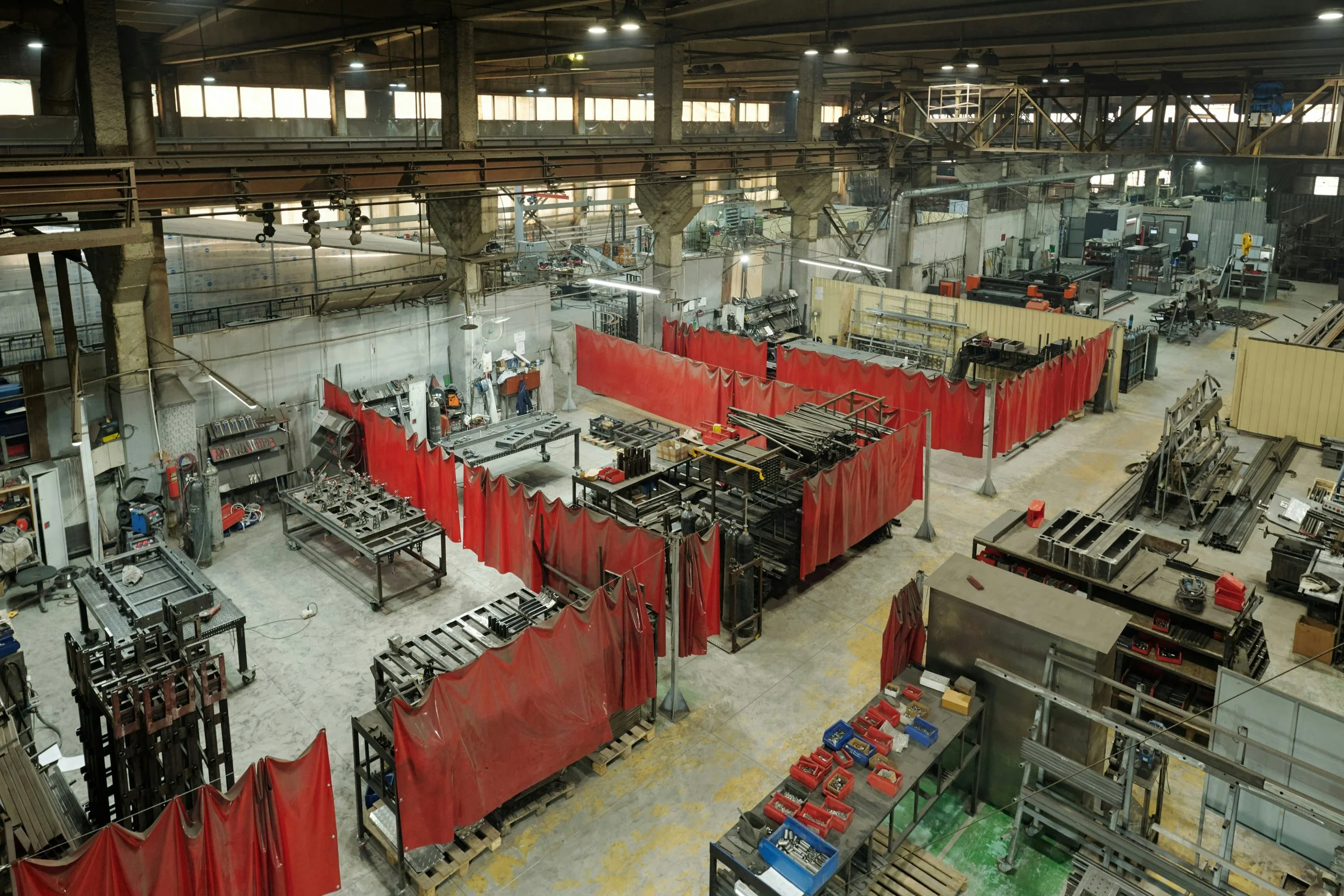
MMS contract maintenance teams integrate with plant leadership and operations from day one. Skilled multi-craft technicians, electricians, mechanics, and reliability specialists arrive prepared to execute work with discipline and consistency from the first shift. We do not ramp slowly — the operating model is in place before our crew steps onto the floor.
Daily production alignment meetings sync maintenance with operations. Work orders flow through structured planning before they reach the floor. Performance data — PM completion, work order close-out, safety observations, equipment health trends — is reported up and reviewed weekly. Monthly reliability reviews surface patterns. Quarterly business reviews show plant leadership what has changed and what is next.
That rhythm is what creates predictable operations — the kind of maintenance program that shows up on the P&L, not just the work order log.
TRUSTED BY MANUFACTURERS WHO CAN'T AFFORD TO STOP




INDUSTRIES WE SUPPORT
INDUSTRIES WE SUPPORT WITH MANAGED MAINTENANCE.
MMS Managed Maintenance is deployed across discrete and process manufacturing — wherever production demands disciplined execution and measurable reliability.


COMMON QUESTIONS
INDUSTRIAL MAINTENANCE - COMMON QUESTIONS.
-
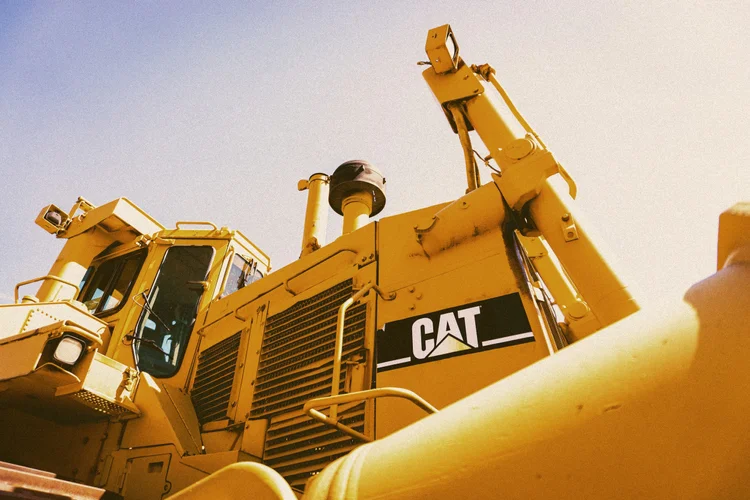
Industrial maintenance is the discipline of keeping production equipment running safely, reliably, and at expected performance. An industrial maintenance company manages that work for manufacturers — covering preventive maintenance, corrective response to equipment failures, work order management, spare parts coordination, and reliability engineering. The best partners do not just supply technicians. They operate full programs, integrate with plant leadership, and report on the maintenance performance metrics that drive uptime, asset life, and cost. MMS delivers this across heavy equipment, automotive, food manufacturing, foundry, aerospace, and other industrial sectors nationwide.
-
In-house maintenance means your facility hires, trains, and manages the maintenance team directly. Outsourced industrial maintenance means a partner like MMS owns that workforce and delivers it as a managed program with planning structure built in. The trade-offs are about cost, capacity, and accountability. In-house gives you direct control but carries recruiting, training, retention, and overhead burden. Outsourced eliminates that burden, scales capacity faster than hiring, and brings specialized expertise — but only if the partner is accountable for the outcome, not just the labor hours. The right choice depends on your facility size, complexity, and the strength of your current maintenance team.
-
The strongest signals are operational track record, references with specifics, safety performance (TRIR and EMR), workforce certifications, and the operating model the company uses to deliver work. Ask for references at facilities with a similar asset profile and equipment mix. Verify safety metrics. Confirm the workforce certifications you need — OSHA 10 and 30, NFPA 70E, confined space, hot work, equipment-specific credentials. Ask how the company structures planning, reporting, and performance reviews. That operating rhythm is what determines whether you get a labor invoice or a maintenance program you can show to your VP. The best partners are accountable for the outcome and visible in their performance data.
-
A comprehensive industrial maintenance contract typically includes preventive maintenance execution, corrective and emergency response, work order management, spare parts coordination, maintenance planning and scheduling, performance reporting against agreed metrics, safety program management, and reliability improvement input. Some programs add condition-based monitoring, predictive maintenance technologies, and capital project support. MMS's Managed Maintenance program covers all of the above — we take ownership of the maintenance scope so plant leadership can focus on production. A workforce-only program is leaner: MMS provides the technicians and supervisors, but the customer retains maintenance strategy ownership.
-
Preventive maintenance is scheduled work done at fixed intervals — every 30 days, every 500 operating hours, etc. It catches wear before failure but does not tell you whether the equipment is actually about to fail. Predictive maintenance uses condition monitoring — vibration analysis, infrared thermography, oil analysis, IoT sensors — to detect actual signs of pending failure. Preventive is rules-based; predictive is data-based. Most strong reliability programs combine the two: preventive for routine wear, predictive for the failures preventive cannot catch. MMS designs and runs both, often together, to give plant leadership the right mix for each facility's asset profile.
Wherever your operation is right now,
there's a road to reliability.
Schedule a Maintenance Program Review
For companies evaluating contract maintenance.
Get Emergency Field Support
For companies with an active equipment issue.
Request a Reliability Assessment
For companies ready to build predictive programs.
Talk to a Service Partnerships Leader
For capital projects, outages, or staffing scale.